
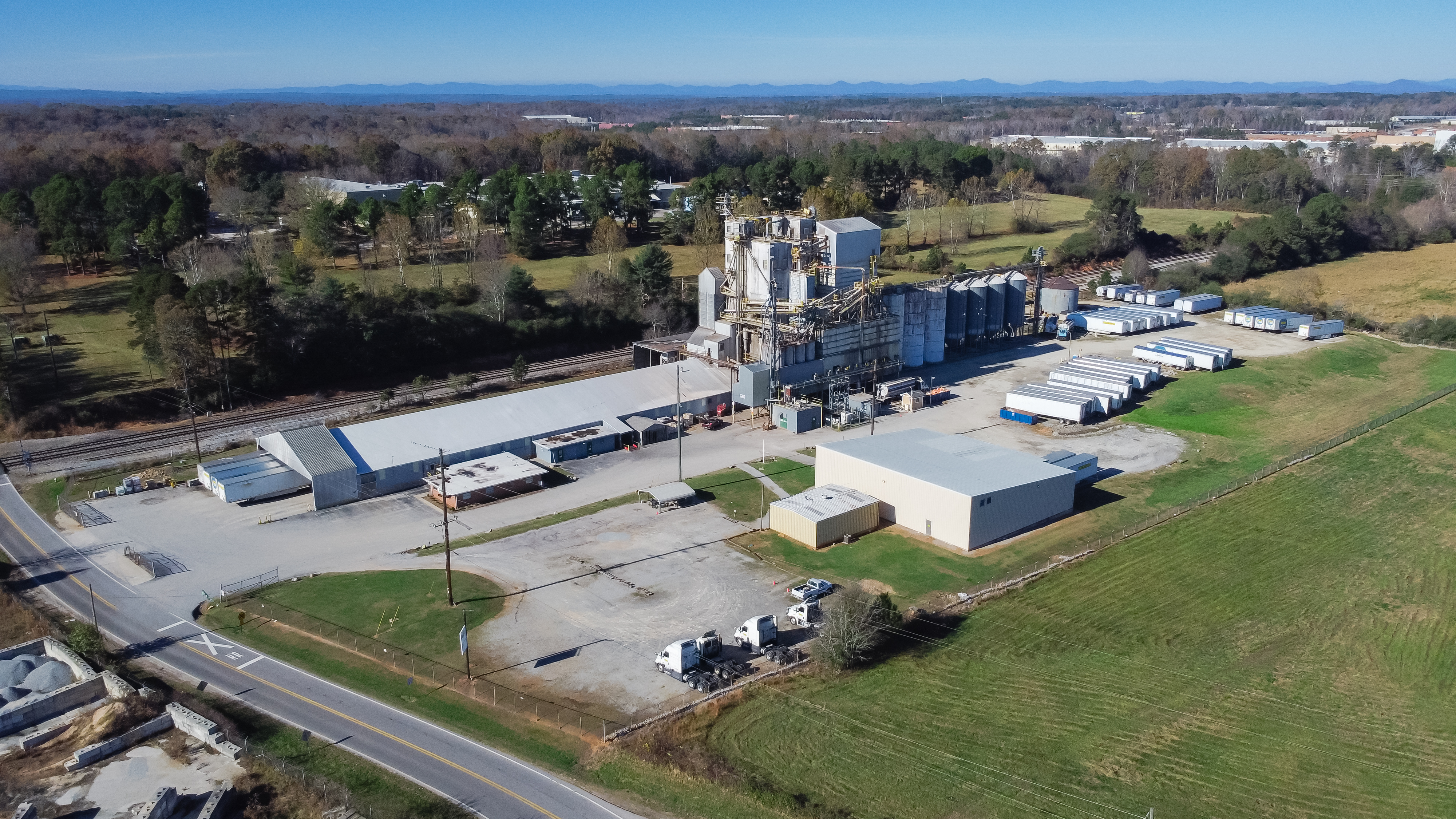
As more and more manufacturers look to return production to the U.S. in 2026, many are facing a harsh reality: 1 out of every 4 businesses located outside of metro areas struggle to find qualified workers.
For employers operating plants in rural communities, hiring challenges can’t be solved with short-term alone. Rural labor shortages are often tied to systemic barriers that limit workforce participation, including housing availability, childcare access, transportation and broadband or technology gaps.
As the McKinsey Institute for Economic Mobility noted “there’s real opportunity in rural areas to get workers ready for high-paying, fantastic jobs right in their backyard.” McKinsey also emphasized that manufacturing companies that hire local, better-prepared workers could reduce workforce attrition and increase productivity.
The stakes are high. Rural communities make up more than 70 percent of U.S. land and generate over $2 trillion in economic output. And while the stereotype of rural employment might involve a John Deere tractor, the reality looks very different: manufacturing represents 13 percent of rural employment, nearly double of agriculture’s 7 percent.
So, what does that mean for manufacturers competing for talent outside major metro areas? Let’s look at how rural labor markets are reshaping hiring strategies and the critical role staffing agencies can play in helping small-town employers build reliable workforces.
The Structural Dynamics of Rural Labor Markets
Manufacturing remains a cornerstone of rural employment. In many rural counties, manufacturing jobs make up a much larger share of the workforce than in urban areas, even as other sectors like technology and finance cluster in metropolitan hubs.
But these communities are facing fundamental demographic and labor force shifts:
- Population aging and labor scarcity: Rural areas have a significantly older population, with higher proportions of residents over 65 compared with metro regions.
- Shrinking labor pools: Many rural counties struggle to attract younger workers, leading to long-term talent shortages rather than temporary gaps.
- Peripheral socioeconomic barriers: Lack of amenities such as broadband, modern childcare, transportation, and housing make relocation and retention harder in rural areas than in cities.
Together, these trends mean that rural labor challenges are not cyclical, but are structural and ongoing.
Rural Hiring Pressures Are Shaping Manufacturing Strategy
Today’s rural hiring challenges are altering how manufacturers think about workforce strategy:
Recruitment Must Go Beyond Standard Channels
In metro areas, job boards and digital outreach work well, but rural markets often demand on-the-ground engagement, according to the nonprofit SSTI which helps strengthen science, technology, innovation, and entrepreneurship through its initiatives:
- Stronger reliance on employee referrals, local job fairs, and community institutions.
- Active relationships with community colleges, high schools, and vocational programs to build talent pipelines.
This places new emphasis on relationship-driven recruitment rather than automated volume hiring.
Retention Becomes a Strategic Priority
With limited local labor supply, keeping the workers you have becomes as important as finding new ones. Rural manufacturers are increasingly using:
- Career advancement pathways and tuition support.
- Referral bonuses and creative retention incentives.
- Flexible scheduling and localized benefits.
These investments can make smaller plants feel like career destinations instead of fallback options.
Expected Role of Broader Community Factors
Manufacturers can’t solve rural labor shortages in isolation as local economic infrastructure matters:
- Quality housing development and transportation access.
- Broadband connectivity.
- Childcare and healthcare availability.
Companies that support or coordinate with community stakeholders to address these external factors often find themselves with stronger access to the labor they need.
Strategic Shifts for Rural Manufacturing Leaders
Rural labor realities are reshaping executive strategy in several key ways:
Priority #1: Redefine Recruiting Models
Rather than posting jobs and waiting, rural manufacturers are:
- Partnering with staffing agencies that specialize in rural talent markets.
- Targeting regional talent pools far beyond their immediate geography.
- Investing in apprentice-to-employee pipelines
Staffing partners with deep rural market expertise can help companies find candidates who may not be visible through traditional recruiting channels.
Priority #2: Invest in Local Ecosystems
Successful rural talent strategies often go beyond the factory floor with the Association of Equipment Manufacturers advising that employers “need to be willing to think beyond their own needs by connecting and investing in their communities.”
Manufacturers are increasingly:
- Collaborating with local educators to design workforce pathways.
- Funding or advocating for community infrastructure improvements.
- Participating in economic development initiatives.
These moves don’t just help hiring today but can shape the future attractiveness of a community as a place to live and work.
Priority #3: Embrace Flexible and Hybrid Roles
In some rural settings, expanding the definition of roles (including remote work, hybrid schedules, or distributed teams supported by staffing agencies) can open access to workers who aren’t located in the immediate vicinity. This flexibility helps companies tap into non-traditional rural labor markets.
Role of Staffing Agencies: Small Town, Big Impact
Staffing agencies are playing a pivotal role in bridging structural rural labor gaps. Here’s how:
- Expertise in local labor dynamics: Rural labor markets aren’t “small urban markets” but are qualitatively different, shaped by geography, community culture, available services, and mobility patterns. Staffing partners with rural expertise understand these differences and tailor recruitment accordingly.
- Extending the talent reach: Staffing agencies can source from regional talent pools that companies might otherwise overlook. They can also provide workforce planning insights based on local labor data and reduce hiring lead time by pre-qualifying candidates with needed skills.
- Supporting retention and workforce stability: Beyond placement, agencies often provide:
- Onboarding and training coordination.
- Support for flexible staffing models
- Insights into wage and benefit competitiveness.
All of which help rural manufacturers retain employees longer and reduce costly turnover.
Staffing agencies can help make a big impact for manufacturers expanding, reshoring, or investing in new capabilities in rural communities.
PRT Staffing Helps Rural Employers Build Stronger Workforces
PRT Staffing delivers workforce solutions that keep businesses moving and careers growing. We specialize in building skilled workforces that drive business success, including short-term support, seasonal coverage, or long-term hiring solutions.
Remember, rural labor markets are a strategic reality, not a temporary disruption. Structural changes require multi-layered solutions, such as collaborative partnerships with educators, communities, and staffing agencies to build sustainable talent pipelines.
PRT provides full-service hiring support designed to reduce the burden on internal teams. We streamline the hiring process, lower recruiting costs, and deliver skilled professionals who align with your business needs. From candidate sourcing and screening to onboarding and compliance, we handle the details so you can stay focused on operations.
Contact PRT Staffing today for help in building a rural manufacturing workforce that supports productivity today and growth tomorrow.